Greater than 60% of patients with TMJ issues have obstructive sleep apnea, so clenching is often a signal, not only a habit. Bruxism means repeated jaw-muscle activity that can include clenching or grinding, by day or at night. The TMJ, short for temporomandibular joint, is the hinge that connects your lower jaw to your skull.
Plenty of people clench without meaning to. Self-care may help ease soreness, but it doesn't prove what is driving the behavior. A root-cause evaluation is the most reliable way to sort that out.
You don't need the same jaw clenching remedy as the next person. Daytime tooth contact, stress, sleep, and breathing can each play a part. The seven layers below move from simple daytime habits toward sleep health and professional care. None of them promises a cure.
Table of Contents
- 1. Jaw Resting Position: Lips Together, Teeth Apart
- 2. Stress Management and Relaxation Practices
- 3. Warm Compresses and Gentle Self-Massage
- 4. Gentle Jaw Movement and Posture Exercises
- 5. Daily Habit and Dietary Adjustments
- 6. Sleep Health and Evaluation for Sleep-Disordered Breathing
- 7. Custom Night Guard and Conservative Professional Care
- Seven Jaw Clenching Remedies at a Glance
- Putting the Pieces Together: When to Seek an Evaluation
1. Jaw Resting Position: Lips Together, Teeth Apart
Say you're answering email and your back teeth are pressed together. That quiet contact is a common form of awake clenching, and many people don't notice it until the jaw aches later.
Clinicians often teach a resting position. Lips stay closed, teeth sit slightly apart, and the tongue rests gently on the roof of the mouth. Practicing that posture during the day may help reduce unconscious tooth contact and ease strain on the TMJ.
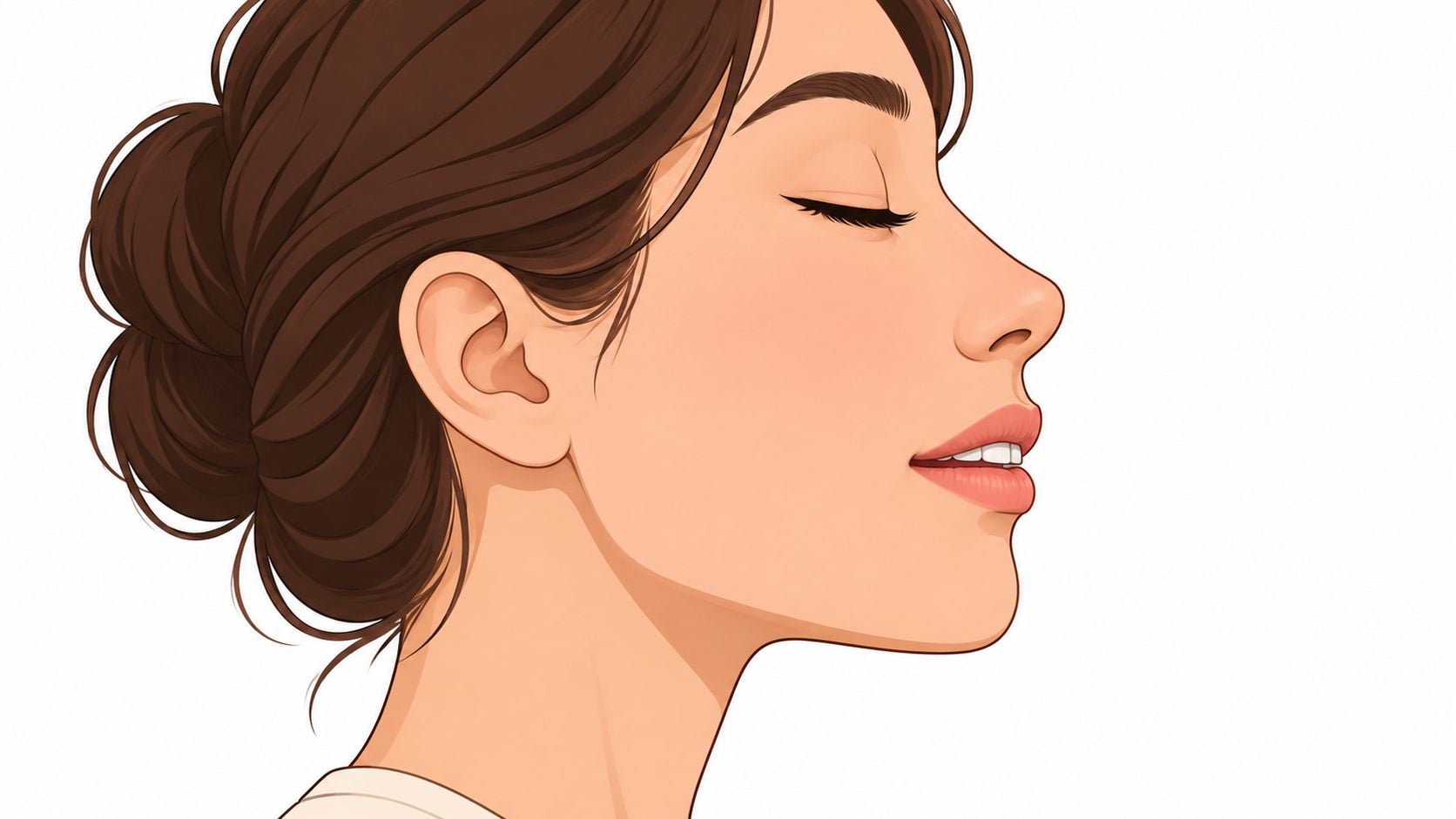
A Royal College of Surgeons guideline states that early treatment with simple reversible management techniques benefits approximately 75 to 90% of painful TMD presentations. TMD means temporomandibular disorder, pain or trouble in the jaw joint and the muscles that move it. Resting the jaw is one of those reversible steps. It doesn't stop every clench, and it doesn't replace an exam.
Practical rule: When you notice tension, let the teeth separate before you try to stretch the jaw.
- Set a gentle reminder: Check your jaw a few times a day on your phone or computer.
- Release on the spot: When you feel tension, soften the jaw and let the teeth part.
- Keep a brief log: Note when you clench, then share that pattern with your provider.
2. Stress Management and Relaxation Practices
A hard conversation can show up first in the face. During a deadline, the teeth meet and stay pressed together. That squeeze is awake bruxism: clenching or grinding while you are awake. It is tied more closely to stress and anxiety than sleep grinding is.
Stress works like a volume knob. As the day gets louder, the jaw and shoulders often tighten with it. Relaxation is one layer in a root-cause plan. If most clenching starts after you fall asleep, that layer still leaves an open question about sleep-disordered breathing.
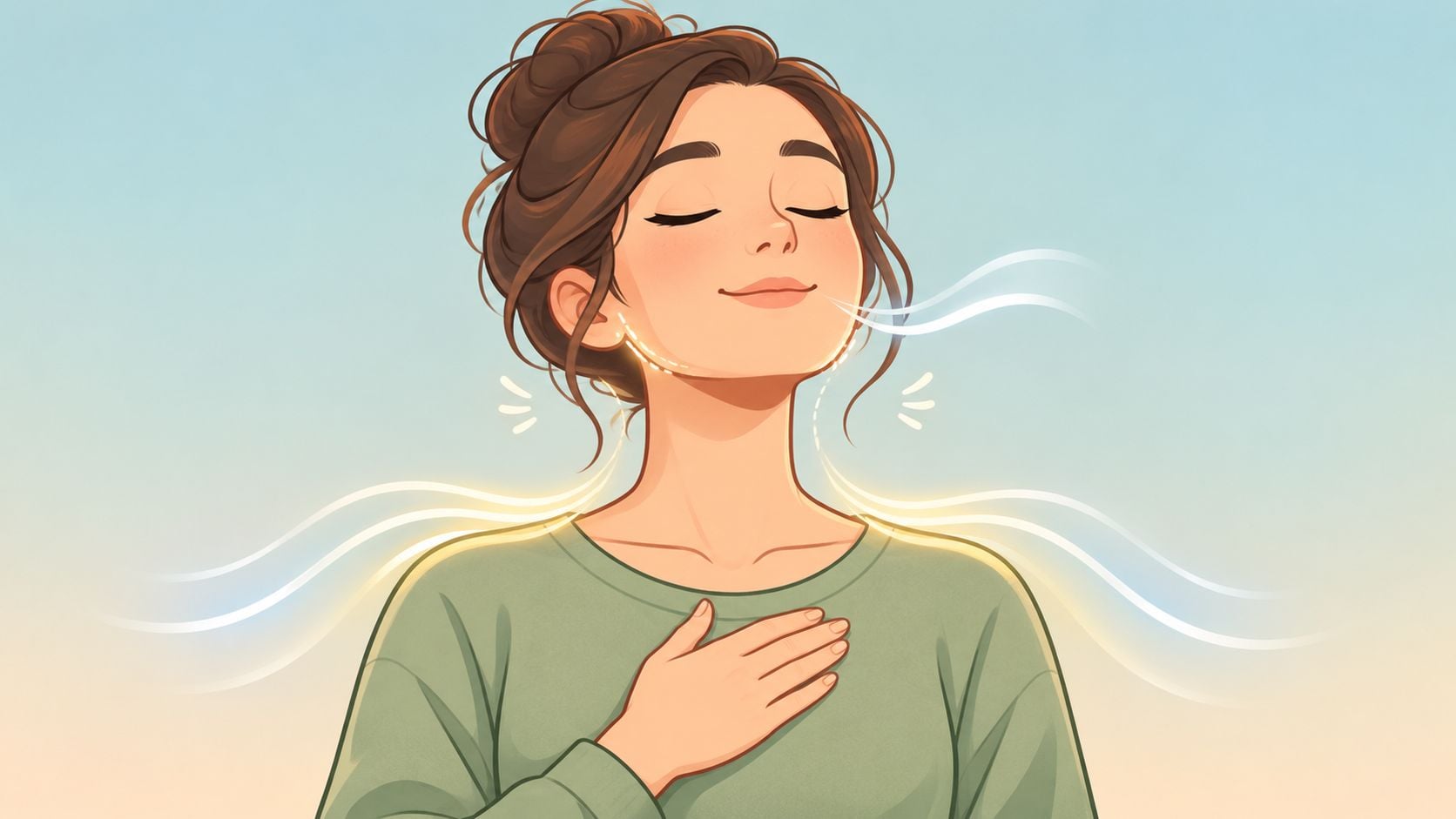
A systematic review of biofeedback and related care noted that relaxation and biofeedback had shown efficacy particularly for awake bruxism, while also warning that the biofeedback evidence was small, short-term, and affected by a high risk of bias. Biofeedback shows muscle activity so you can notice tension and ease it. These tools may help. They are not a guaranteed fix.
Try slow breathing with a longer exhale, in for four counts and out for six. Progressive muscle relaxation, described in this Be Your Best Self & Thrive guide, means you gently tense and then release one area at a time, starting with the jaw, face, and shoulders. Pause a few times a day. If the shoulders have crept up, drop them and unclench.
Before a Monday staff meeting, the jaw can lock when the reminder chimes. A one-minute exhale in the car may lower the arousal that feeds that clench. Pair it with the resting position from daytime checks. If worry or low mood feels constant, a qualified clinician can help you look at those drivers too.
3. Warm Compresses and Gentle Self-Massage
The masseter and temporalis are the main chewing muscles. The masseter sits along the angle of the jaw. The temporalis fans over the side of the head. When clenching overworks them, they can feel sore, tight, or tender, and that soreness may add to headaches and facial discomfort.
Warmth may increase blood flow and ease stiffness in the moment. Light massage may soften the sense of muscle guarding. These steps are for comfort. They don't correct the reason you clench.
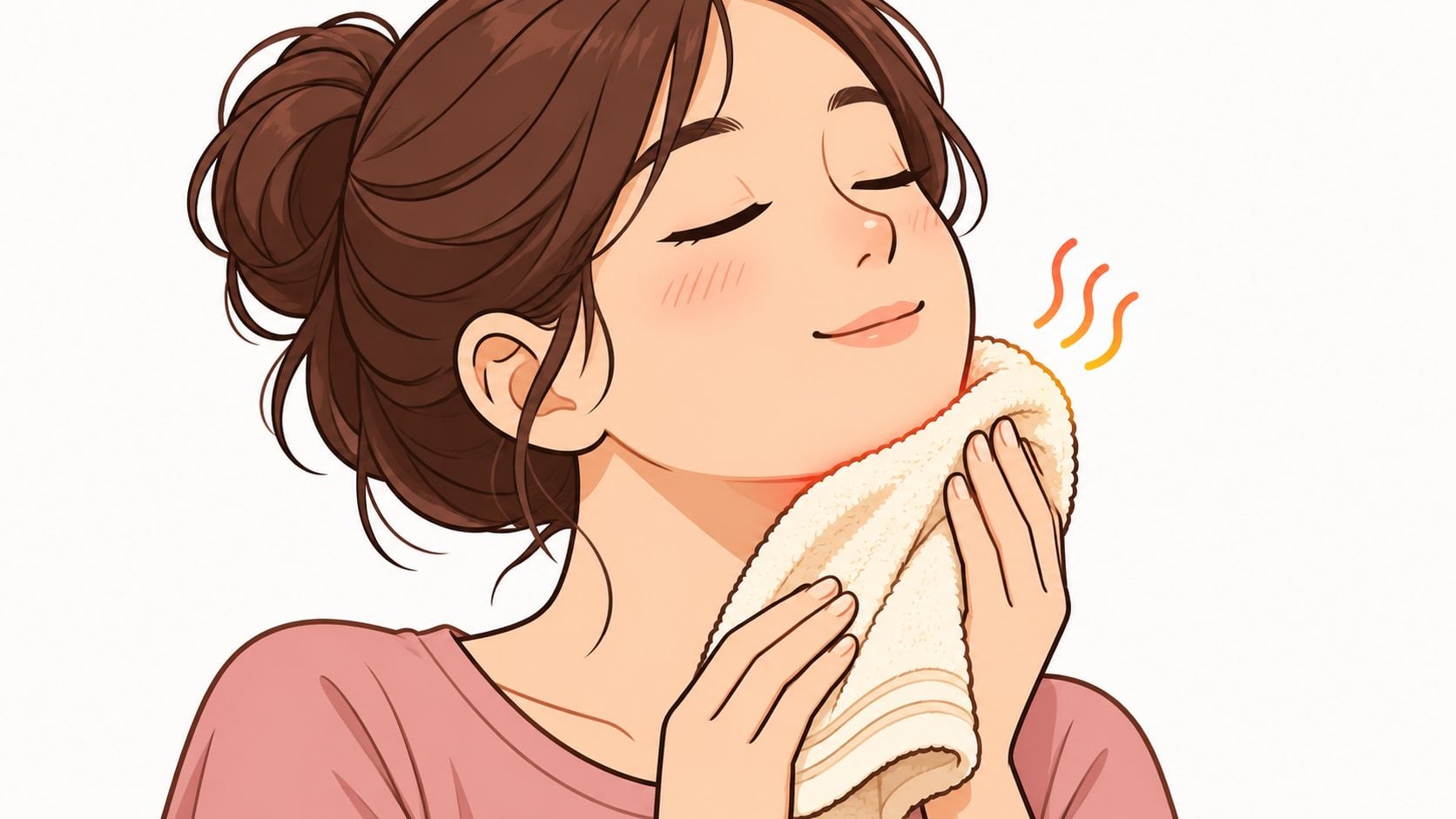
A systematic review of awake-bruxism treatments described one study in which, after one month of counseling and home measures including relaxation, jaw-muscle massage, jaw exercises, and thermal therapy, women with chronic chewing-muscle pain had decreases in masseter muscle activity and clenching episodes. The review also stressed that the evidence quality was low and that home care alone doesn't prove persistent pain or tooth damage will resolve.
- Use moist heat: Apply a warm, damp towel or heat pack for about 10 to 15 minutes.
- Massage lightly: Use small fingertip circles along the jaw muscles, with gentle pressure only.
- Stop if pain rises: Talk with your provider if soreness stays or gets worse.
Picture a sore jaw after a long drive. Ten minutes of warmth, then a few light circles, may make dinner easier to chew. Skip deep pressure, and don't massage over a joint that feels hot, swollen, or locked.
4. Gentle Jaw Movement and Posture Exercises
A kitchen-table desk at 3 p.m. often puts the laptop low and the head forward. Temples start to ache, and the teeth drift together. Raise the screen, sit back in the chair, and check that your teeth are apart before you add any jaw motion.
Slow, comfortable movement may help the joint and nearby muscles stay flexible after hours of clenching. Stay inside a range that feels easy or only mildly noticeable. Open the mouth only as far as that easy range, then close slowly.
A chin tuck means you draw the chin straight back while your eyes stay level, as if you are making a soft double chin. Hold briefly, then release. Two calm repetitions may ease neck stiffness that feeds the jaw.
The jaw, neck, and shoulders share muscle links. A forward head works like a backpack worn too far in front: the muscles behind the jaw hold extra weight all afternoon. Pain and Sleep Therapy Center explains how small posture changes may unload that chain in its guide to forward posture correction. Posture work is one layer of care. It does not explain why the jaw stays busy at night.
If a movement makes the jaw click harder, lock, or send pain into the ear, stop and ask a clinician which motions fit your joint.
Skip pulling the jaw open with your hand. Skip a wide stretch. A provider can match these motions to your range of motion.
5. Daily Habit and Dietary Adjustments
Chewing gum all afternoon keeps the masseter, the thick chewing muscle along the side of the jaw, working long after lunch is finished. Ice, pen caps, and fingernails ask for the same small bites. On a sore day, a tough bagel or a very chewy piece of meat can keep that muscle on the clock too.
The jaw works like a hand that never sets the grocery bag down. Each extra chew is one more squeeze. Fewer of those squeezes is the whole point of a habit change.
Three swaps cover most of that extra work:
- Pause the gum: If you chew often, limit it. Every chew is another muscle contraction.
- Soften the menu: On sore days, choose softer foods and cut tough pieces smaller.
- Swap the bite habit: If you bite pens, nails, or cheeks, hold a warm drink instead.
An afternoon built on gum and a third coffee can leave the jaw feeling thick by evening. For one week, skip the gum, move the last coffee earlier, and note whether morning soreness shifts. That week is only a record. It does not diagnose anything. It gives you and your provider a clearer picture of daytime load.
Daytime habits are one layer of a larger plan. They sit beside awareness, relaxation, and a later look at what the jaw does during sleep, including sleep-disordered breathing. If tooth wear, locking, or headaches are already present, habit changes alone are not enough to wait on. An evaluation is appropriate when clenching is frequent or painful.
6. Sleep Health and Evaluation for Sleep-Disordered Breathing
Clenching and grinding can occur during sleep, sometimes around brief waking events called arousals. Snoring and sleep apnea, when breathing repeatedly pauses or becomes shallow, can also be associated with arousals. Grinding may occur alongside sleep-disordered breathing, but jaw symptoms alone cannot confirm a breathing disorder.
The American Academy of Sleep Medicine recommends polysomnography, an overnight test that records breathing and related body signals, as the standard diagnostic test for adults after a thorough sleep evaluation. A physician or qualified sleep clinician makes the diagnosis. For some adults, an approved home sleep apnea test may be appropriate. Treatment decisions should follow a confirmed diagnosis, not jaw symptoms alone.
Steady sleep habits and a calmer bedtime can support better sleep. Keep bedtimes and wake times similar when possible, and limit screens and bright light before bed. Tell a provider if a partner notices snoring, gasping, or pauses in breathing, or if you experience loud snoring, daytime sleepiness, or morning headaches.
A dental appliance and a breathing problem call for different evaluations. If sleep-disordered breathing may be present, coordinate dental care with medical assessment.
Learn more about what sleep-disordered breathing is before discussing concerns with a provider. A partner who hears choking sounds at night, or notices pauses in breathing, can share those observations with you. If you wake unrefreshed, ask about a medical sleep evaluation rather than assuming the jaw is the whole story.
7. Custom Night Guard and Conservative Professional Care
A custom oral orthotic, often called a night guard or occlusal splint, is a removable appliance worn over the teeth during sleep. It can protect teeth from wear and may reduce strain on the jaw joint and muscles. It manages some effects of clenching, but it does not stop the clenching itself, so it is one layer of care rather than a complete plan.
A systematic review and meta-analysis of bruxism treatments reported that conventional and three-dimensionally printed occlusal splints have been studied for reducing nighttime muscle activity. Results vary with appliance design and material, and no single treatment works best for everyone.
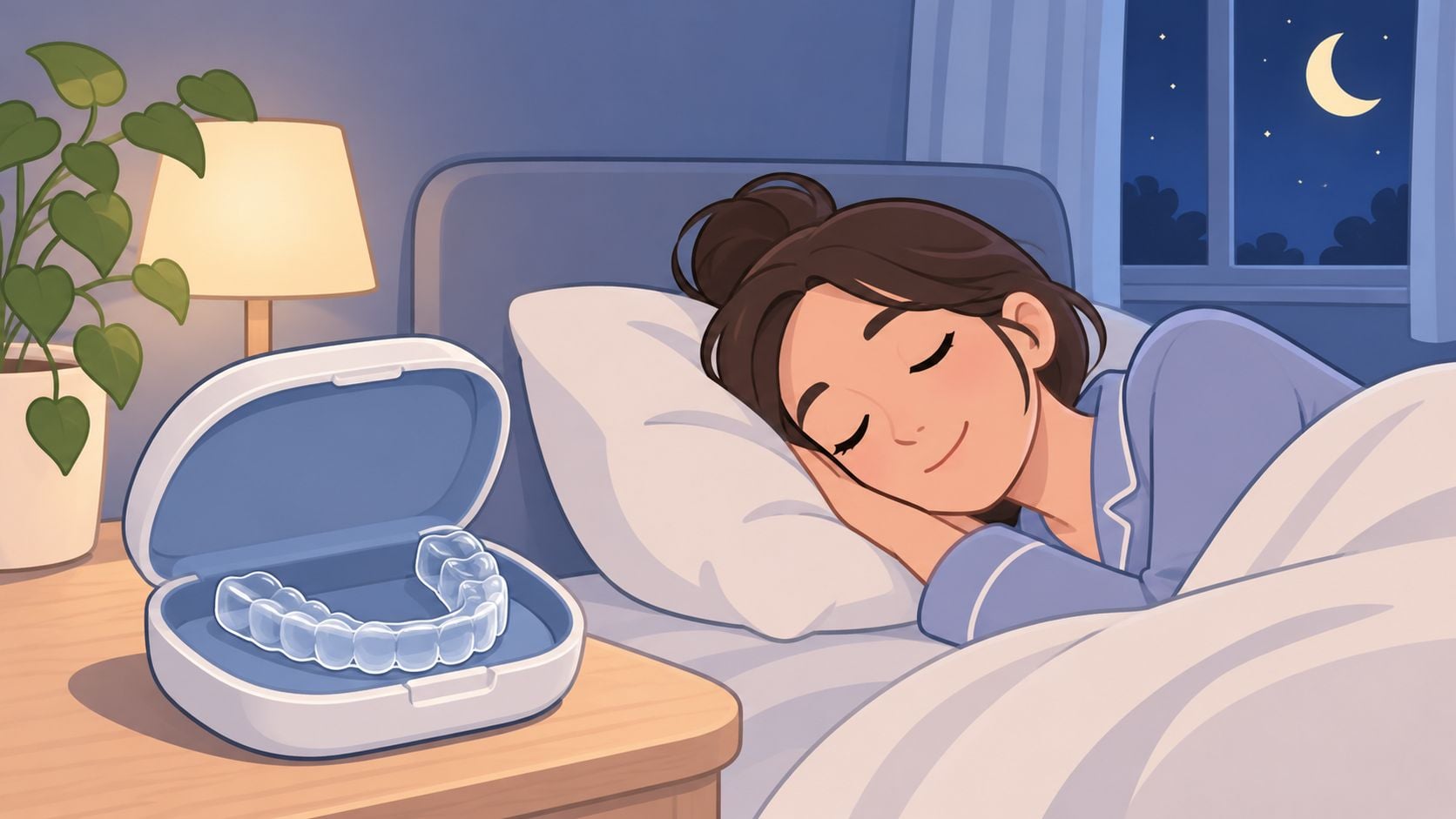
Some treatment plans include cold laser therapy, a light-based therapy used as an adjunct for pain modulation and tissue healing. Pain and Sleep Therapy Center offers orthotic therapy and evaluates TMJ, head, and facial pain to identify possible root causes. Its clinics serve patients in Newark, Delaware, and Bryn Mawr, Pennsylvania. Before using an appliance, learn about possible side effects of TMJ splint therapy.
- Get an evaluation: A provider can assess your symptoms and help determine whether an appliance is appropriate.
- Bring the appliance to follow-ups: Keep it clean and bring it to appointments so its fit and condition can be checked.
- Report changes: New pain or changes in your bite may mean the appliance or care plan needs adjustment. If sleep concerns arise, discuss them with your provider.
Seven Jaw Clenching Remedies at a Glance
| Item | Best For | Effort Required | Addresses Sleep Clenching? |
|---|---|---|---|
| Jaw Resting Position: Lips Together, Teeth Apart | Building awareness of daytime clenching | Low; practice throughout the day | No; focuses on daytime habits |
| Stress Management and Relaxation Practices | Reducing stress and overall muscle tension | Moderate; requires consistent practice | May help indirectly; not a direct treatment |
| Warm Compresses and Gentle Self-Massage | Short-term relief from jaw soreness and tightness | Low; simple home care | No; provides temporary comfort |
| Gentle Jaw Movement and Posture Exercises | Improving comfortable jaw movement and posture | Moderate; practice consistently and gently | No; focuses on movement and posture |
| Daily Habit and Dietary Adjustments | Reducing jaw workload and clenching-related habits | Moderate; habits may take time to change | May help; addresses some nighttime-related habits |
| Sleep Health and Evaluation for Sleep-Disordered Breathing | Improving sleep habits and identifying possible breathing issues | Moderate; may require professional evaluation | Yes; evaluates sleep-related factors |
| Custom Night Guard and Conservative Professional Care | Protecting teeth and managing jaw strain during sleep | Moderate; requires fitting and follow-up | Partially; protects teeth but does not stop clenching |
Putting the Pieces Together: When to Seek an Evaluation
Home care and a professional visit answer different questions. The seven remedies stack in order, the way you add a sweater only after a shirt is not enough. Begin with the free daytime work: a resting jaw, calmer breathing, warmth, gentle motion, and easier chewing habits. Give those a fair try when the main problem is afternoon tightness you can feel and release.
Sleep symptoms change the order. Snoring, or sleep that leaves you unrested, should move a sleep evaluation ahead of more jaw exercises. Morning headaches that arrive with a sore jaw belong in that same first visit, because nighttime clenching and troubled breathing often show up together. Obstructive sleep apnea, or OSA, means the airway repeatedly narrows or pauses during sleep. A physician or qualified sleep clinician confirms OSA with a sleep study. Many people with TMJ issues also have OSA, so sleep diagnostics may be added during TMJ care instead of saved for later.
Pain and Sleep Therapy Center looks for the joint problem and the breathing problem in one evaluation. Diagnosis uses a physical exam, how far the jaw can move, joint sounds and vibrations, images of the joint's hard tissue, and a careful history and interview. A 3D cone beam computed tomography scan, called CBCT, is a detailed picture of the jaw joint and is frequently needed. Some patients are referred to a diagnostic imaging center to have it completed.
You can keep the home steps while you wait. They ease the daytime load on the jaw. They do not take the place of finding out why the jaw is busy at night.